EHS, Energy & Sustainability

Integrated environment, health, safety, energy, and sustainability solutions to support safer operations, regulatory compliance, resource efficiency, and long-term performance.

Overview

Environment, Health & Safety (EHS), energy efficiency, and sustainability are increasingly important across pharmaceutical and life-sciences operations. Organizations must manage workplace hazards, environmental impacts, emergency preparedness, resource consumption, energy performance, and evolving sustainability expectations while maintaining reliable production and compliance.

Mediature GxP Solutions Pvt. Ltd. (MGS) supports pharmaceutical, biopharmaceutical, API, medical-device, laboratory, and other industrial organizations with EHS assessments, risk management, process safety, environmental compliance, energy audits, utility optimization, green-building support, and sustainability improvement programs.

Our approach combines regulatory awareness, engineering knowledge, operational risk management, energy performance, resource optimization, and practical implementation support to help clients improve safety, efficiency, and environmental performance.


Our EHS, Energy & Sustainability Services

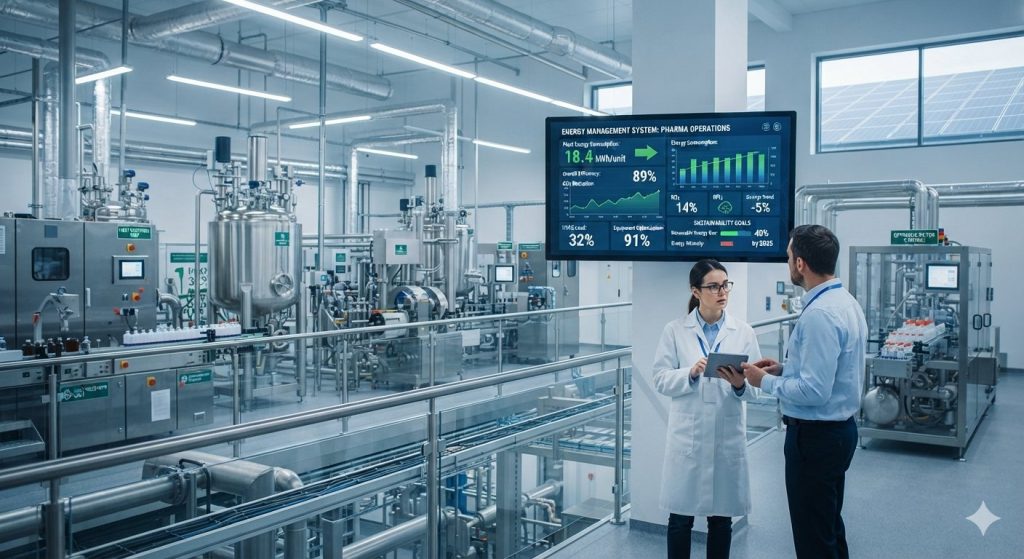
Energy

Practical energy-management solutions to help organizations reduce energy consumption, improve utility efficiency, control operating costs, and support sustainable performance.

Explore Service →
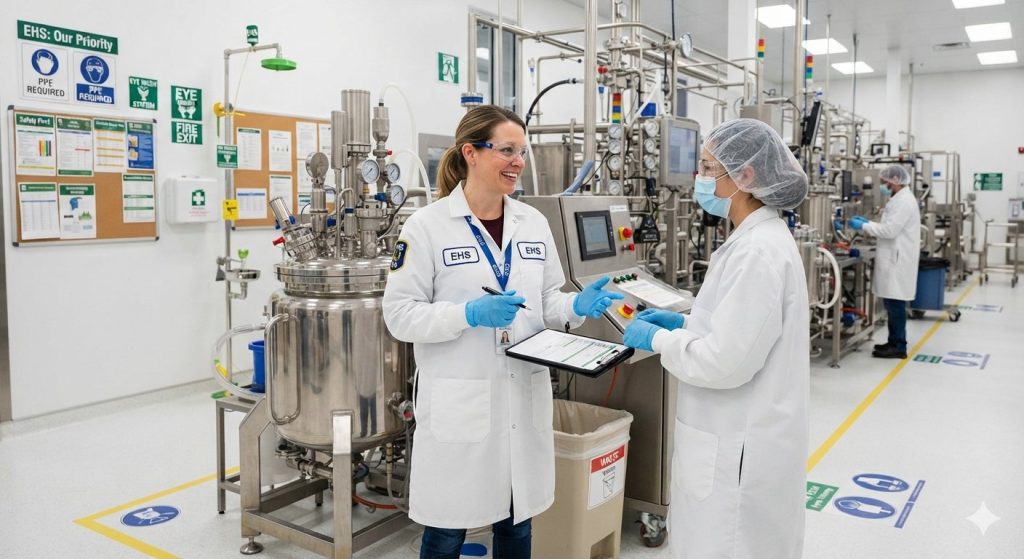
EHS

Practical EHS solutions to help organizations manage workplace risks, strengthen compliance, improve safety performance, and build a proactive safety culture.

Explore Service →
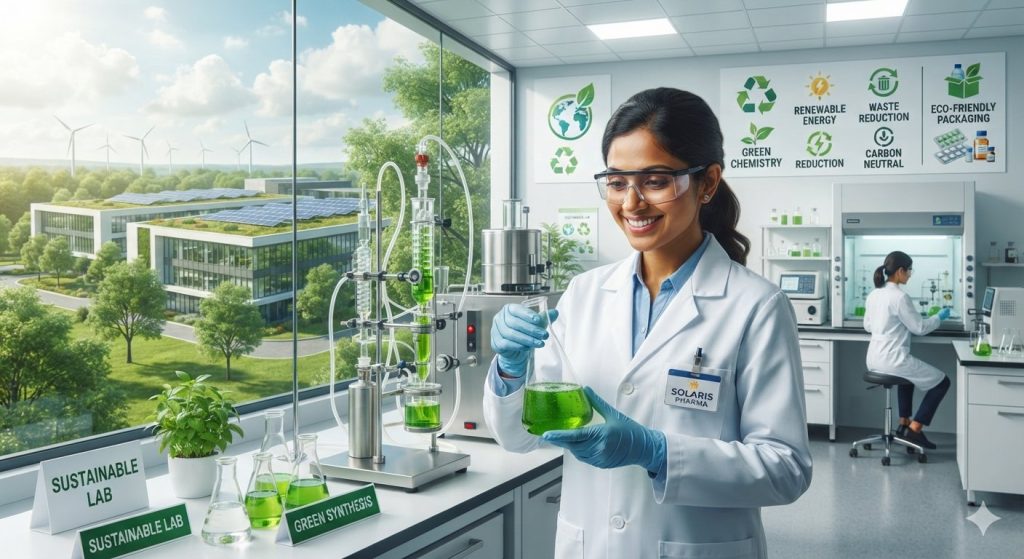
Sustainability

Practical sustainability solutions to help organizations improve resource efficiency, reduce waste, strengthen environmental performance, and support long-term operational resilience.

Explore Service →

Key Challenges We Help Address

Organizations may face challenges such as:

  • Workplace safety hazards
  • Inadequate risk assessment
  • Weak emergency preparedness
  • Fire-safety gaps
  • Process-safety risks
  • Environmental non-compliance
  • Poor waste segregation
  • High energy consumption
  • Utility inefficiency
  • Compressed-air leakage
  • Boiler and steam losses
  • Inefficient HVAC operation
  • High cooling-system energy demand
  • Limited energy monitoring
  • Excessive water consumption
  • Resource wastage
  • Lack of structured sustainability programs
  • Difficulty integrating sustainability with GMP and operational requirements

Our Approach

  1. Understand
Review facility operations, processes, hazards, utilities, energy profile, environmental aspects, and organizational objectives.
  1. Assess
Evaluate EHS risks, energy use, resource consumption, operational practices, compliance gaps, and system performance.
  1. Prioritize
Rank findings and opportunities based on safety impact, compliance risk, operational importance, energy-saving potential, and feasibility.
  1. Recommend
Develop practical corrective, preventive, optimization, and sustainability measures.
  1. Support Implementation
Assist with action plans, procedures, engineering improvements, training, monitoring, and project coordination.
  1. Review Performance
Support follow-up assessment, effectiveness review, energy-performance monitoring, and continuous improvement.

Typical Deliverables

Depending on scope, MGS can provide:
  • EHS gap-assessment report
  • HIRA
  • Safety risk register
  • Process-safety assessment
  • Fire & life-safety assessment
  • Emergency response plan
  • Environmental compliance assessment
  • Waste-management review
  • Energy audit report
  • Utility consumption analysis
  • Energy performance baseline
  • HVAC optimization recommendations
  • Compressed-air assessment
  • Boiler and steam assessment
  • Chiller and cooling assessment
  • Electrical energy review
  • Renewable-energy feasibility assessment
  • Resource optimization plan
  • Sustainability roadmap
  • Improvement action tracker

What Sets MGS Apart

Integrated EHS & Engineering Perspective

MGS combines safety, environmental, engineering, facility, utility, and operational considerations within one practical approach.

Risk-Based Prioritization

Recommendations are prioritized according to safety, compliance, operational, and business impact.

Energy & Utility Focus

Our approach looks beyond total energy consumption to identify specific system-level improvement opportunities.

GMP-Aware Solutions

For pharmaceutical and regulated facilities, EHS and energy improvements are considered alongside product quality, contamination control, process reliability, and GMP requirements.

Practical Sustainability

MGS focuses on implementable improvements that can deliver measurable operational and environmental benefits.

Who We Support

MGS can provide EHS, Energy & Sustainability support for:
  • Pharmaceutical manufacturing facilities
  • API facilities
  • Biopharmaceutical facilities
  • Medical-device organizations
  • Laboratories
  • Warehouses
  • Utility-intensive facilities
  • Greenfield projects
  • Brownfield expansions
  • Existing sites undergoing EHS or energy improvement
  • Organizations developing sustainability programs

Improve Safety. Optimize Energy. Strengthen Sustainability.

A well-integrated EHS, energy, and sustainability program can help reduce risk, improve efficiency, conserve resources, and strengthen long-term operational performance.
Partner with MGS for practical, risk-based, and performance-focused EHS, Energy & Sustainability support.