Pharmaceutical Engineering & Facility Solutions

High-Potency & Containment Facility Design

Specialized facility and engineering support for high-potency, hazardous, and containment-sensitive manufacturing environments.

Overview

High-potency and containment facilities require carefully designed engineering controls to protect product quality, operators, the environment, and surrounding processes.

Mediature GxP Solutions Pvt. Ltd. (MGS) supports pharmaceutical, API, biopharmaceutical, and other regulated organizations with planning, design review, containment strategy, segregation, HVAC, pressure zoning, material and personnel flow, and engineering-risk assessment for high-potency and containment applications.

Our approach integrates GMP, occupational exposure control, contamination prevention, process requirements, cleaning, facility design, HVAC, validation, EHS, and operational practicality into one coordinated strategy.

Our High-Potency & Containment Services

Containment Strategy Development

Development or review of containment concepts based on product characteristics, process steps, exposure risks, and operational requirements.

Facility & Layout Planning

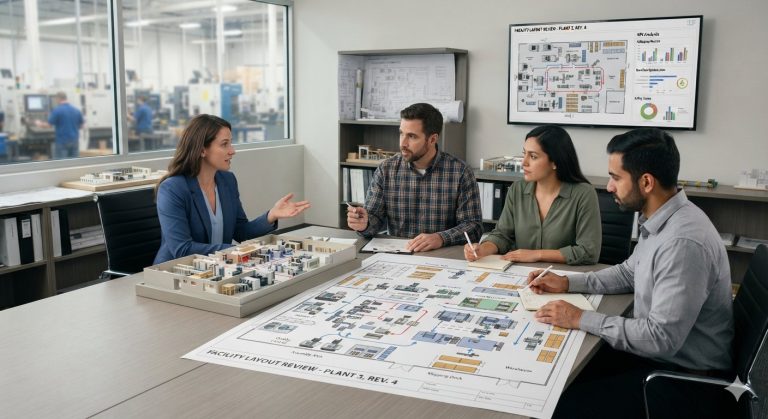
Support for zoning, segregation, room relationships, personnel movement, material flow, waste flow, and containment boundaries.

Pressure Cascade & HVAC Strategy

Design review and assessment of pressure regimes, airlocks, exhaust systems, air handling, filtration, and directional airflow.

Equipment Containment Assessment

Evaluation of equipment design, closed processing, transfer systems, charging/discharging, cleaning access, and containment capability.

Occupational Exposure Control Support

Engineering and procedural support for managing exposure risks through containment, segregation, local exhaust, PPE interfaces, and operational controls.

Material Transfer & Handling Review

Assessment of raw-material charging, intermediate transfer, packaging, sampling, and waste handling to reduce exposure and contamination risks.

Cleaning & Decontamination Considerations

Support for cleaning strategy, equipment access, residue control, decontamination, and facility cleanability.

Containment Gap Assessment

Review of existing facilities and processes to identify weaknesses in segregation, airflow, equipment containment, cleaning, and exposure control.

Key Design Considerations

Depending on the process and product, MGS may assess:

  • Product potency and hazard characteristics
  • Occupational exposure considerations
  • Segregation requirements
  • Personnel flow
  • Material flow
  • Waste flow
  • Pressure differentials
  • Airlocks
  • HVAC zoning
  • Exhaust systems
  • HEPA filtration
  • Local exhaust ventilation
  • Closed transfer systems
  • Equipment containment
  • Sampling controls
  • Cleaning strategy
  • Decontamination
  • Cross-contamination prevention
  • PPE interfaces
  • Maintenance access
  • Emergency response
  • Waste handling
  • Validation and qualification
  • Environmental and occupational safety controls

Our Approach

  • Understand the Hazard

Review the product, process, potency, exposure risk, manufacturing steps, and intended containment level.

  • Assess the Process

Identify points where dust, aerosols, vapours, or product exposure may occur.

  • Define the Containment Strategy

Develop appropriate engineering, procedural, HVAC, equipment, and operational controls.

  • Integrate with Facility Design

Align containment with zoning, flow, utilities, equipment layout, maintenance access, and cleaning requirements.

  • Review Implementation

Assess design and execution against the agreed containment concept.

  • Support Verification

Coordinate with qualification, containment-performance testing, and operational-readiness activities where applicable.

Deliverables

Depending on scope, MGS can provide:

  • Containment strategy
  • Facility zoning review
  • Pressure-cascade assessment
  • Personnel and material-flow review
  • Equipment-containment assessment
  • HVAC containment review
  • Gap-assessment report
  • Risk assessment
  • Remediation recommendations
  • Design-review comments
  • Qualification-readiness support
  • Operational-control recommendations

Why Choose MGS

Integrated GMP & EHS Perspective

MGS considers both product-protection and operator-protection requirements.

Engineering-Led Containment Approach

Containment is evaluated through facility design, HVAC, equipment, process, cleaning, and maintenance perspectives.

Risk-Based Design

Controls are developed according to product hazard, exposure potential, process criticality, and operational risk.

Practical Implementation

Recommendations are designed to balance compliance, safety, operability, maintainability, and project feasibility.

Lifecycle Support

MGS can support containment requirements from early facility concept through execution, qualification, operation, and remediation.

Who We Support

MGS can provide high-potency and containment support for:

  • High-potency API facilities
  • Potent compound manufacturing areas
  • Hormonal product facilities
  • Cytotoxic or hazardous-product areas
  • Highly sensitizing products
  • Containment laboratories
  • Dedicated manufacturing suites
  • Multiproduct facilities requiring enhanced containment
  • Greenfield containment projects
  • Existing facilities requiring upgrades

SERVICE SUPPORT

Protect People. Protect Product. Control Exposure.

Effective containment starts with a clear understanding of risk and a well-integrated engineering strategy.
Partner with MGS for practical, risk-based, and GMP-focused high-potency and containment facility support.